Est. 2024 · Wesley Chapel, FL · 19 Articles Published
Shark Branding Intelligence
The AI Visibility Dispatch · For Tampa Bay Business Owners
AI Customer Acquisition Statistics You Need to Know in 2026
91% of SMBs using AI report revenue gains. 83% zero-click rate when AI Overviews appear. 94% of B2B buyers use generative AI during purchasing. The numbers behind the AI customer acquisition shift — sourced and cited.

How to Appear in Google AI Overviews: A 5-Signal Framework for Local Businesses
Google AI Overviews appear on over 50% of searches. Here is the exact five-signal framework — GBP completeness, review volume, NAP consistency, structured data, and citability — that determines whether your business gets cited or skipped.
AI Answering Service vs. Live Answering Service: What Tampa Bay Businesses Need to Know
AI wins on cost, availability, and speed. Live agents win on complex calls and nuanced situations. Here is the honest 8-factor comparison so you can decide what your service business actually needs.
Find Out How AI Sees Your Business Right Now
We audit your visibility across AI search, maps, and reviews, and show you exactly what needs fixing.
Get My Free AI Audit → AI Employees
Why Tampa Bay Businesses Are Switching to AI Employees in 2026
The three reasons local service businesses in Wesley Chapel and Tampa Bay are replacing manual follow-up, review requests, and receptionist tasks with AI employees — and what the results look like.
 AI Employees
AI Receptionist vs. Human Receptionist: What Tampa Bay Businesses Need to Know
An honest comparison for service businesses in Wesley Chapel and Tampa Bay. What each does well, where each falls short, and how to decide which one your business actually needs.
 AI Employees
5 Tasks Wesley Chapel Business Owners Should Automate First
Most local businesses automate the wrong things first — or nothing at all. Here are the five automations with the fastest, most measurable ROI for service businesses in Wesley Chapel and Tampa Bay.
 AI Employees
What Is an AI Employee? A Plain-English Guide for Local Businesses
An AI employee is a software agent trained to perform a specific job in your business automatically — lead follow-up, review management, booking, content. Here's how they work and why Wesley Chapel and Tampa Bay businesses are adopting them now.
 GEO
GEOAIO, GEO, and AEO for Wesley Chapel Businesses: What Actually Gets You Customers in 2026
AI Overviews appear on more than half of all Google searches. Here is what AIO, GEO, and AEO actually mean for Wesley Chapel businesses, and why SEO alone no longer closes the gap.
 AI Visibility
What the End of Local SEO Means for Your Business
AI Overviews now appear on over 60% of Google searches. Local SEO as you knew it is ending. Here's what changed, why it matters, and three things to do right now.
 AI Visibility
The End of Phone Tag: How Google's 'Have AI Check Prices' Is Changing Local Service Discovery
Google's AI now calls local businesses to check prices on behalf of customers. If you don't answer, you're listed as 'unreachable.' Here's how to stay in the game.
 AI Visibility
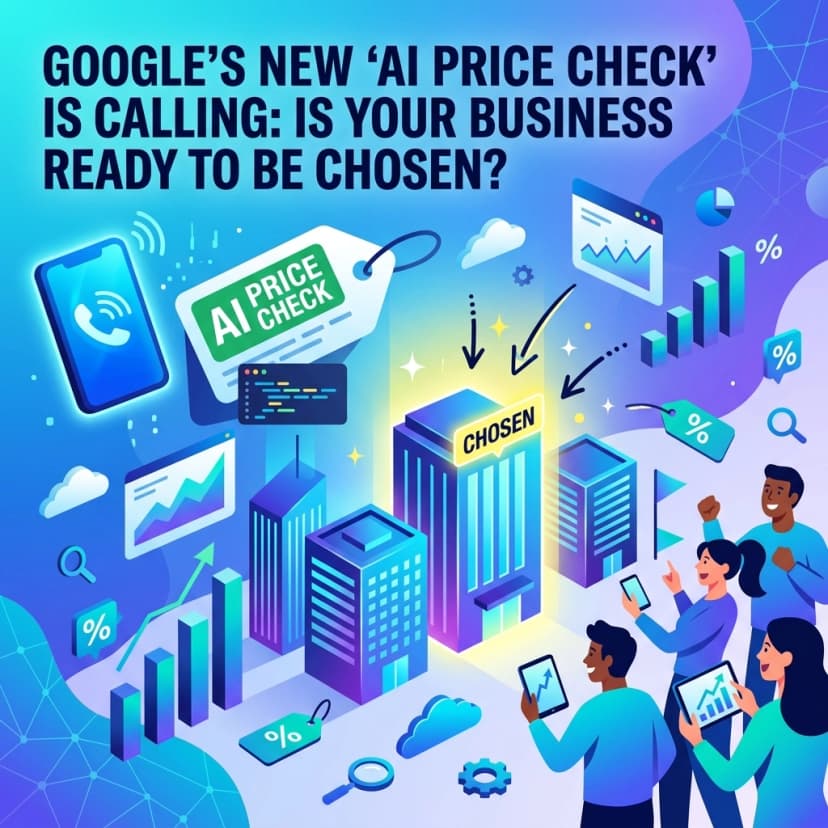
Google's New 'AI Price Check' Is Calling: Is Your Business Ready to Be Chosen?
Businesses that don't respond to AI-initiated price checks get flagged as unreachable. Here's the step-by-step action plan to make sure you're ready.
 AI Visibility
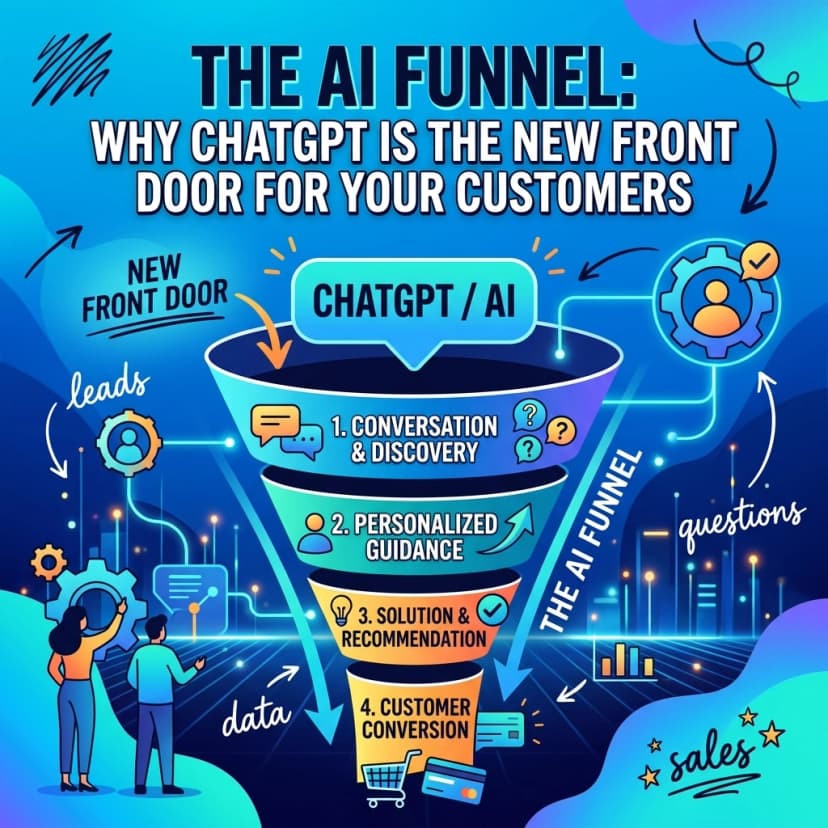
The AI Funnel: Why ChatGPT Is the New Front Door for Your Customers
AI doesn't give customers 100 options. It gives them three. Learn how the AI Funnel works and what it takes to land in that top-three shortlist.
 AI Visibility
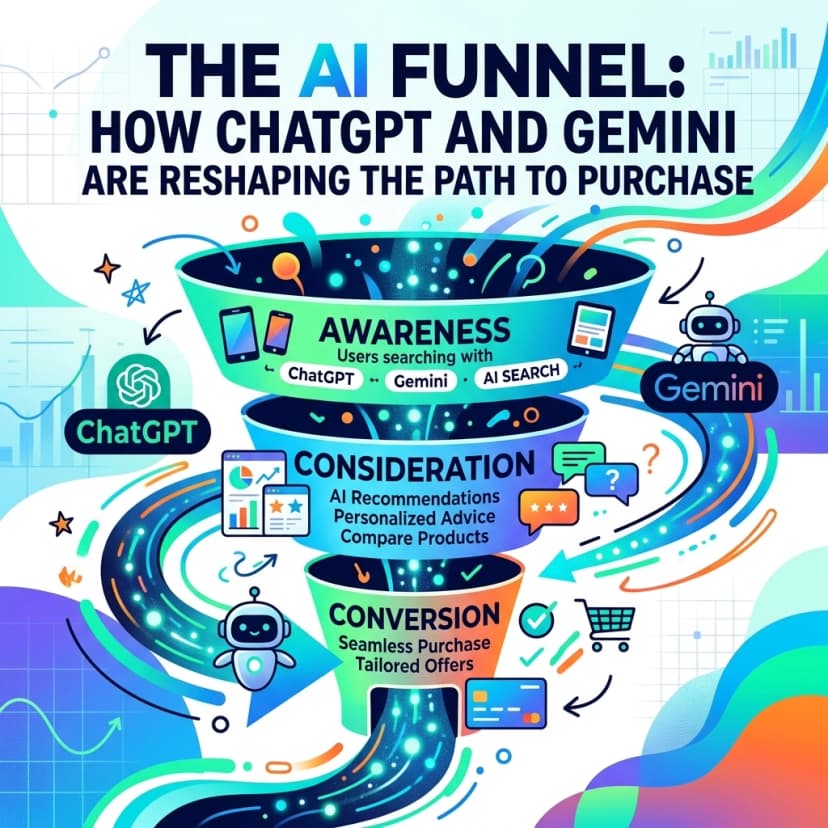
The AI Funnel: How ChatGPT and Gemini Are Reshaping the Path to Purchase
ChatGPT and Gemini have collapsed the customer decision timeline from days to minutes. If your business isn't optimized for AI, you're invisible at the most critical moment.
 AI Visibility
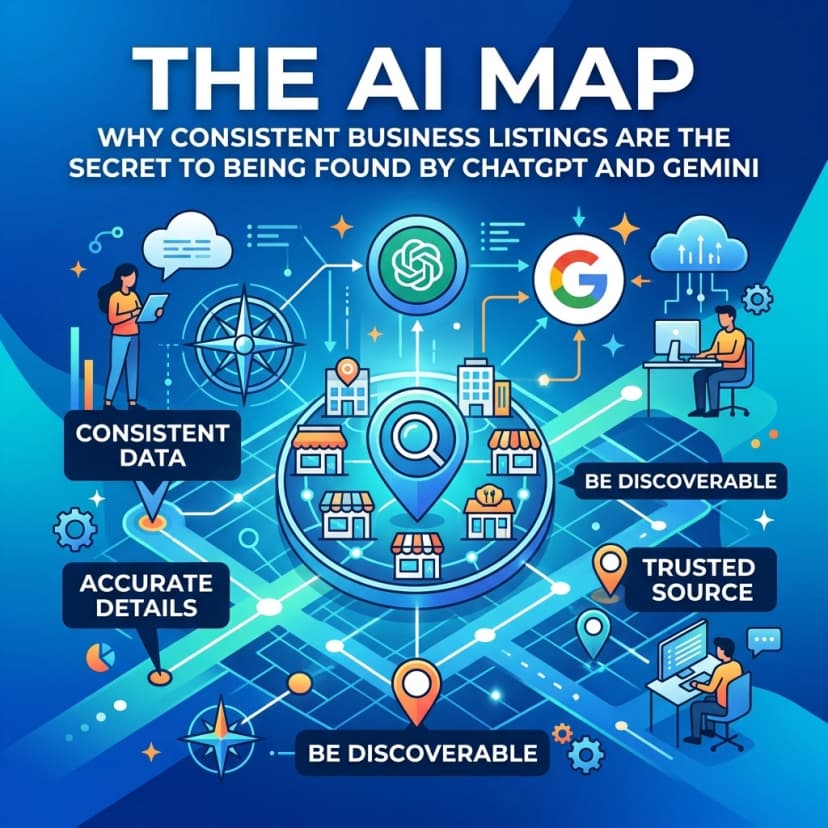
The AI Map: Why Consistent Business Listings Are the Secret to Being Found
If your business data is inconsistent across the web, AI models won't recommend you. Learn how to fix your digital map and become the top result.
 Strategy
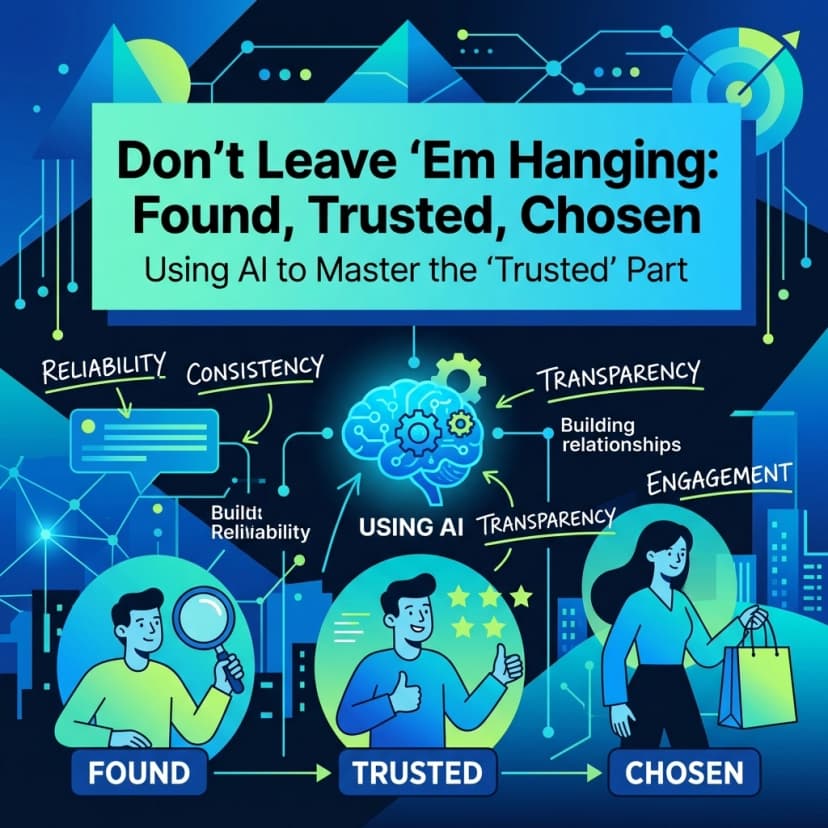
Don't Leave 'Em Hanging: Using AI to Master the 'Trusted' Stage
Getting found is only half the battle. If you're leaving reviews unanswered and your trust signals are weak, AI won't recommend you. Here's how to fix it.
 Strategy
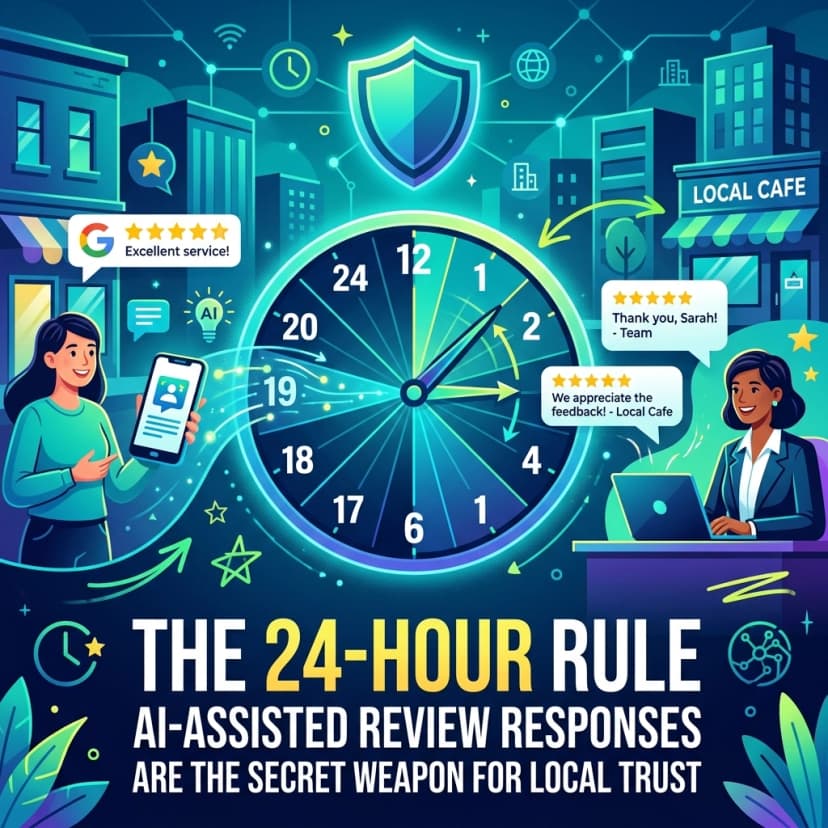
The 24-Hour Rule: Mastering Local Trust with AI
If you aren't responding to reviews within 24 hours, you're handing your competitors your market share. Learn how AI-assisted responses build local trust.
 Strategy
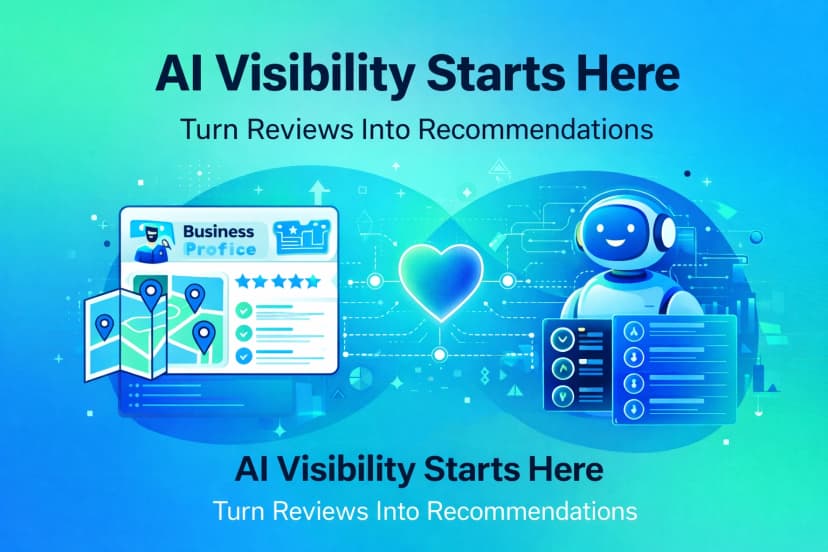
The Future Is AI Visibility: Turning Google Reviews Into AI Recommendations
Your Google reviews are no longer just feedback. They're AI visibility signals. Learn how to collect reviews that AI can read, trust, and use to recommend your business.
 GEO
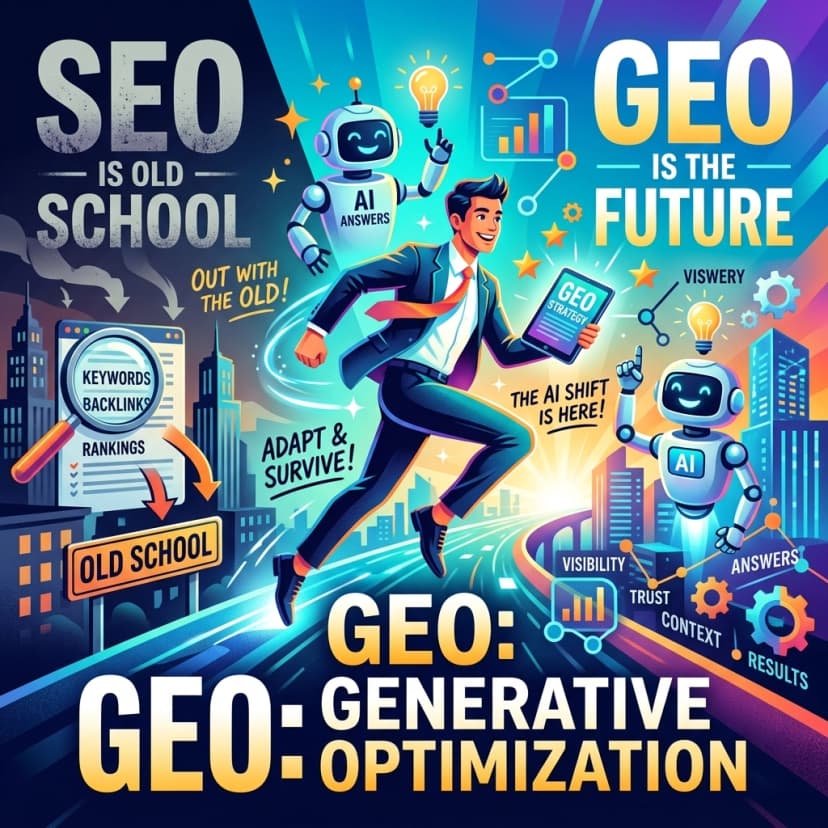
GEOSEO Is Old School: Why Your Business Needs GEO to Survive the AI Shift
Traditional SEO puts you on a list. GEO makes you the recommendation. Learn the three pillars of Generative Engine Optimization and why you must shift now.
AI EmployeesWhy Tampa Bay Businesses Are Switching to AI Employees in 2026
The three reasons local service businesses in Wesley Chapel and Tampa Bay are replacing manual follow-up, review requests, and receptionist tasks with AI employees — and what the results look like.
AI EmployeesAI Receptionist vs. Human Receptionist: What Tampa Bay Businesses Need to Know
An honest comparison for service businesses in Wesley Chapel and Tampa Bay. What each does well, where each falls short, and how to decide which one your business actually needs.
AI Employees5 Tasks Wesley Chapel Business Owners Should Automate First
Most local businesses automate the wrong things first — or nothing at all. Here are the five automations with the fastest, most measurable ROI for service businesses in Wesley Chapel and Tampa Bay.
AI EmployeesWhat Is an AI Employee? A Plain-English Guide for Local Businesses
An AI employee is a software agent trained to perform a specific job in your business automatically — lead follow-up, review management, booking, content. Here's how they work and why Wesley Chapel and Tampa Bay businesses are adopting them now.
GEOAIO, GEO, and AEO for Wesley Chapel Businesses: What Actually Gets You Customers in 2026
AI Overviews appear on more than half of all Google searches. Here is what AIO, GEO, and AEO actually mean for Wesley Chapel businesses, and why SEO alone no longer closes the gap.
AI VisibilityWhat the End of Local SEO Means for Your Business
AI Overviews now appear on over 60% of Google searches. Local SEO as you knew it is ending. Here's what changed, why it matters, and three things to do right now.
AI VisibilityThe End of Phone Tag: How Google's 'Have AI Check Prices' Is Changing Local Service Discovery
Google's AI now calls local businesses to check prices on behalf of customers. If you don't answer, you're listed as 'unreachable.' Here's how to stay in the game.
AI VisibilityGoogle's New 'AI Price Check' Is Calling: Is Your Business Ready to Be Chosen?
Businesses that don't respond to AI-initiated price checks get flagged as unreachable. Here's the step-by-step action plan to make sure you're ready.
AI VisibilityThe AI Funnel: Why ChatGPT Is the New Front Door for Your Customers
AI doesn't give customers 100 options. It gives them three. Learn how the AI Funnel works and what it takes to land in that top-three shortlist.
AI VisibilityThe AI Funnel: How ChatGPT and Gemini Are Reshaping the Path to Purchase
ChatGPT and Gemini have collapsed the customer decision timeline from days to minutes. If your business isn't optimized for AI, you're invisible at the most critical moment.
AI VisibilityThe AI Map: Why Consistent Business Listings Are the Secret to Being Found
If your business data is inconsistent across the web, AI models won't recommend you. Learn how to fix your digital map and become the top result.
StrategyDon't Leave 'Em Hanging: Using AI to Master the 'Trusted' Stage
Getting found is only half the battle. If you're leaving reviews unanswered and your trust signals are weak, AI won't recommend you. Here's how to fix it.
StrategyThe 24-Hour Rule: Mastering Local Trust with AI
If you aren't responding to reviews within 24 hours, you're handing your competitors your market share. Learn how AI-assisted responses build local trust.
StrategyThe Future Is AI Visibility: Turning Google Reviews Into AI Recommendations
Your Google reviews are no longer just feedback. They're AI visibility signals. Learn how to collect reviews that AI can read, trust, and use to recommend your business.
GEOSEO Is Old School: Why Your Business Needs GEO to Survive the AI Shift
Traditional SEO puts you on a list. GEO makes you the recommendation. Learn the three pillars of Generative Engine Optimization and why you must shift now.
Intelligence Direct to You
Stay ahead of the AI shift.
Practical intelligence on AI visibility and marketing automation, written for Tampa Bay business owners, not tech teams.
Stay in the Loop